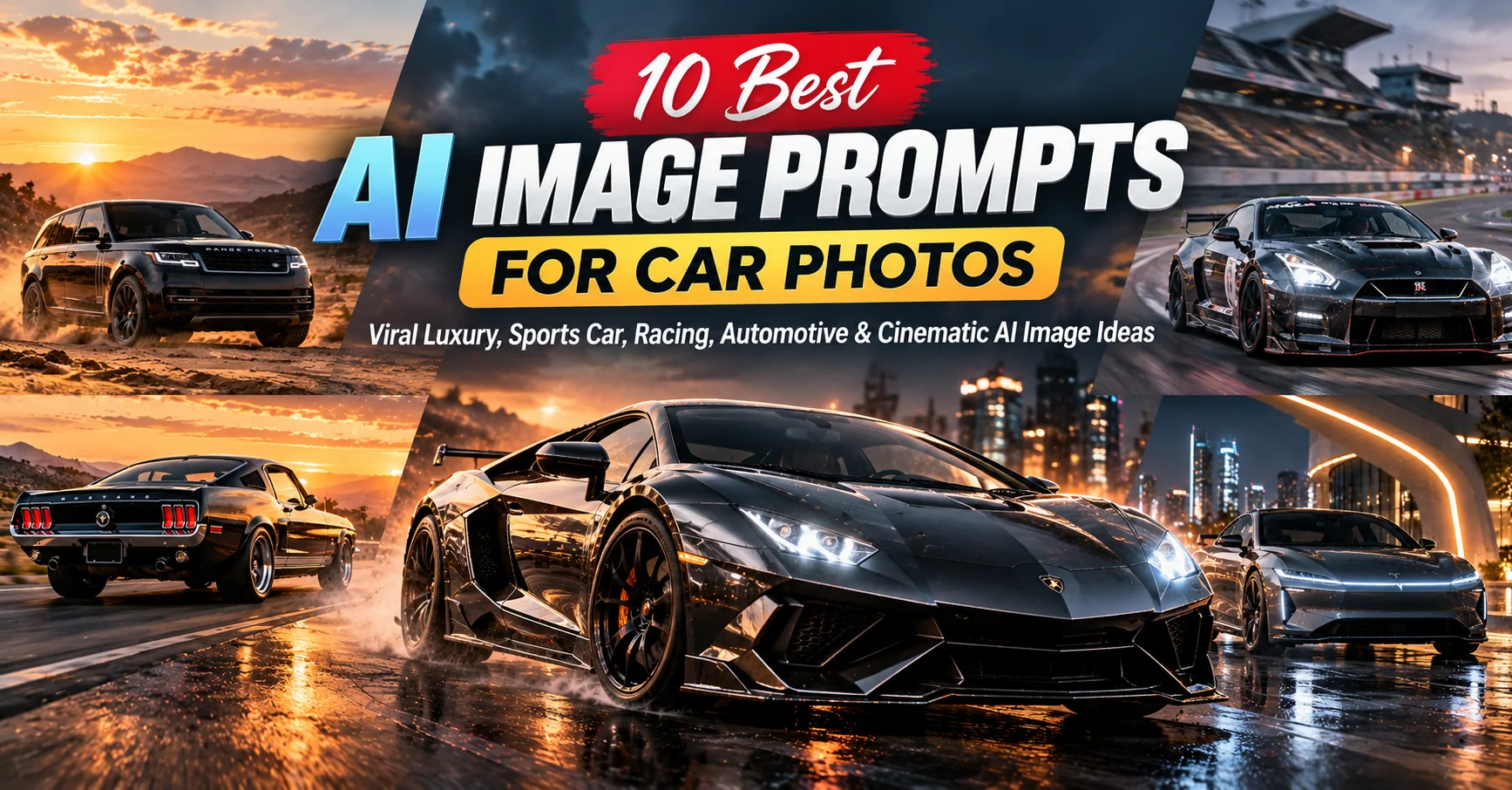
AI car photo prompts make it possible to create detailed automotive images without setting up an expensive photoshoot, finding a special location, or owning the exact vehicle you want to feature. Whether you want a luxury car advertisement, a cinematic sports car scene, a high-speed racing photograph, a premium studio image, or a dramatic social media visual, the right prompt can give an image generator much clearer direction. The most convincing results come from describing more than the car itself: think about the camera angle, lighting, environment, reflections, road surface, atmosphere, composition, and intended photographic style. In this collection, you will find 10 copy-ready AI image prompts designed around popular automotive photography concepts, from glossy luxury portraits and neon night scenes to racing action and cinematic road trips. You can use them as written or replace the vehicle, color, location, weather, and visual mood to create your own personalized car images.
✔ Create realistic luxury and premium car photography
✔ Generate cinematic sports car and automotive scenes
✔ Create racing, motion, road-trip, and action visuals
✔ Experiment with studio, urban, desert, and night settings
✔ Customize the car, color, lighting, camera angle, and atmosphere
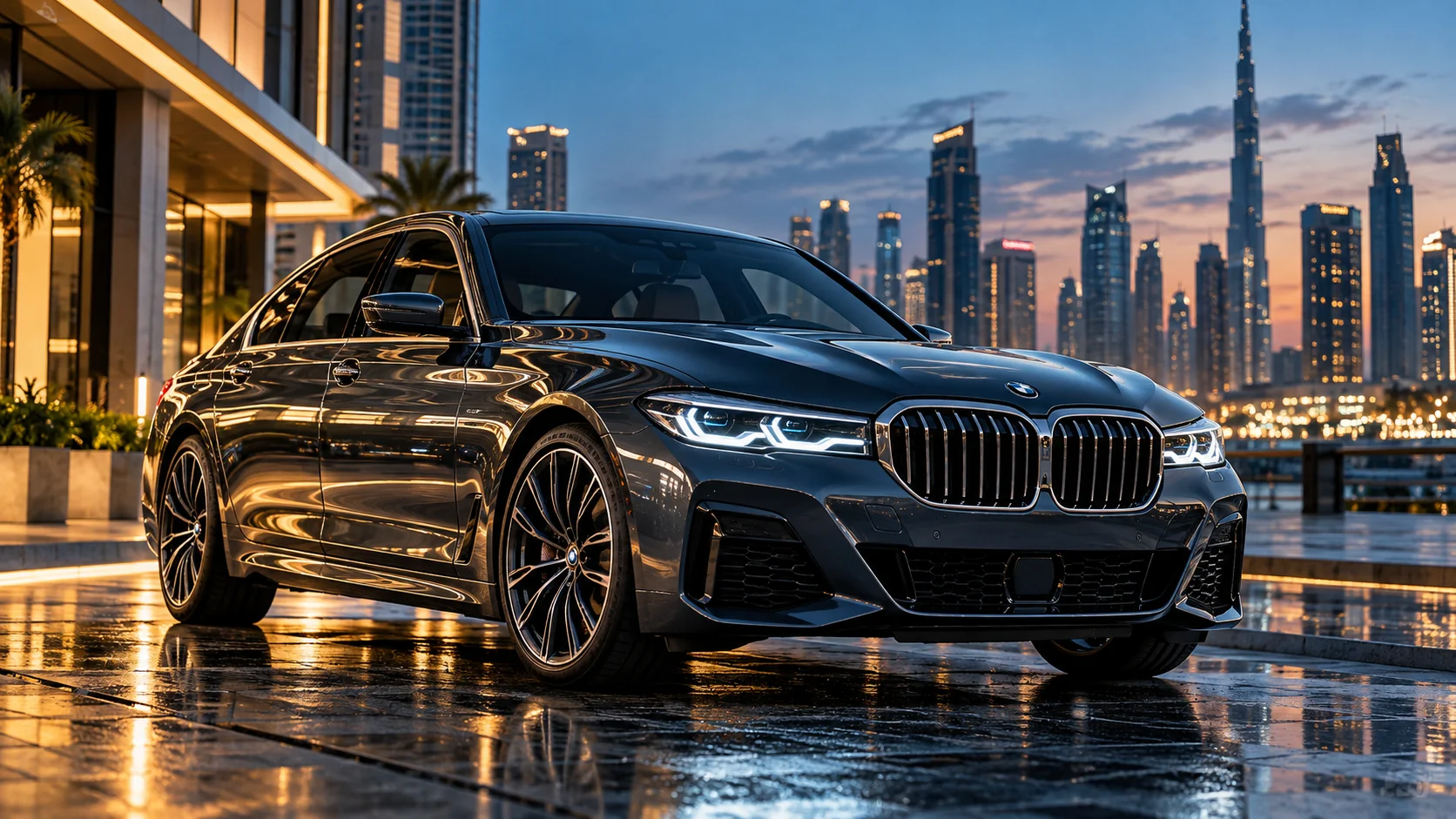
1. Luxury Car Editorial Photoshoot — AI Prompt
Prompt
Create a photorealistic professional automotive editorial photograph of a high-end luxury sports sedan in a sophisticated modern city setting at blue hour. The vehicle has flawless metallic paint, precise body lines, realistic glass, detailed wheels, natural reflections, and premium materials. Photograph it from a low three-quarter front angle with the car as the clear hero subject, using soft directional lighting from the surrounding architecture and subtle highlights across the bodywork. Add realistic pavement reflections, shallow atmospheric depth, elegant background bokeh, natural shadows, and refined cinematic color grading. The image should look like an authentic luxury automotive magazine campaign photographed with a professional camera, with realistic proportions, believable reflections, crisp vehicle details, and no distracting text or watermark.
Usage: Ideal for luxury-car posts, automotive blogs, premium advertisements, wallpapers, and editorial-style social content.
Tip: Replace the vehicle description with your preferred sedan, coupe, SUV, or supercar and specify its exact paint color for more personalized results.
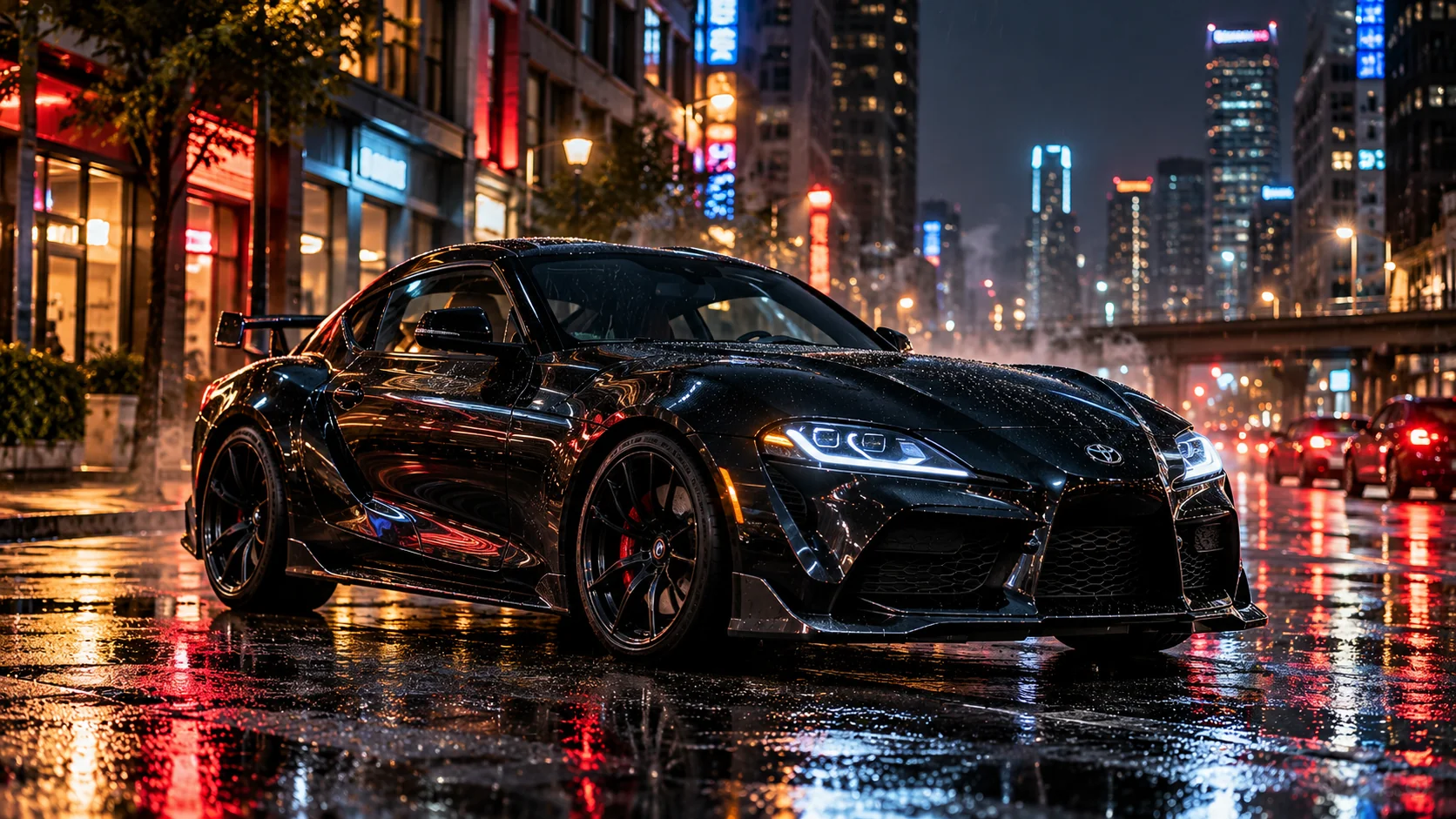
2. Neon City Sports Car at Night — AI Prompt
Prompt
Create a photorealistic cinematic photograph of a sleek sports car parked on a rain-soaked downtown street at night. The car has glossy deep-black paint, sharp aerodynamic contours, realistic headlights, detailed alloy wheels, and highly believable reflections across the body. Surround the vehicle with colorful city lights, subtle neon signs, wet asphalt, light mist, and distant traffic bokeh. Use a dramatic low camera angle and a three-quarter side view, with controlled rim lighting separating the car from the dark background. Capture realistic water droplets and reflections without making the scene look artificial. The final image should resemble a high-end automotive campaign shot on a professional cinema camera, with rich contrast, natural depth, realistic materials, and a polished nighttime atmosphere.
Usage: Great for viral automotive posts, Instagram-style car visuals, wallpapers, music-inspired artwork, and cinematic AI photography.
Tip: Change the neon colors and city environment to create different moods, such as futuristic Tokyo-inspired streets, downtown New York, or a generic modern city.
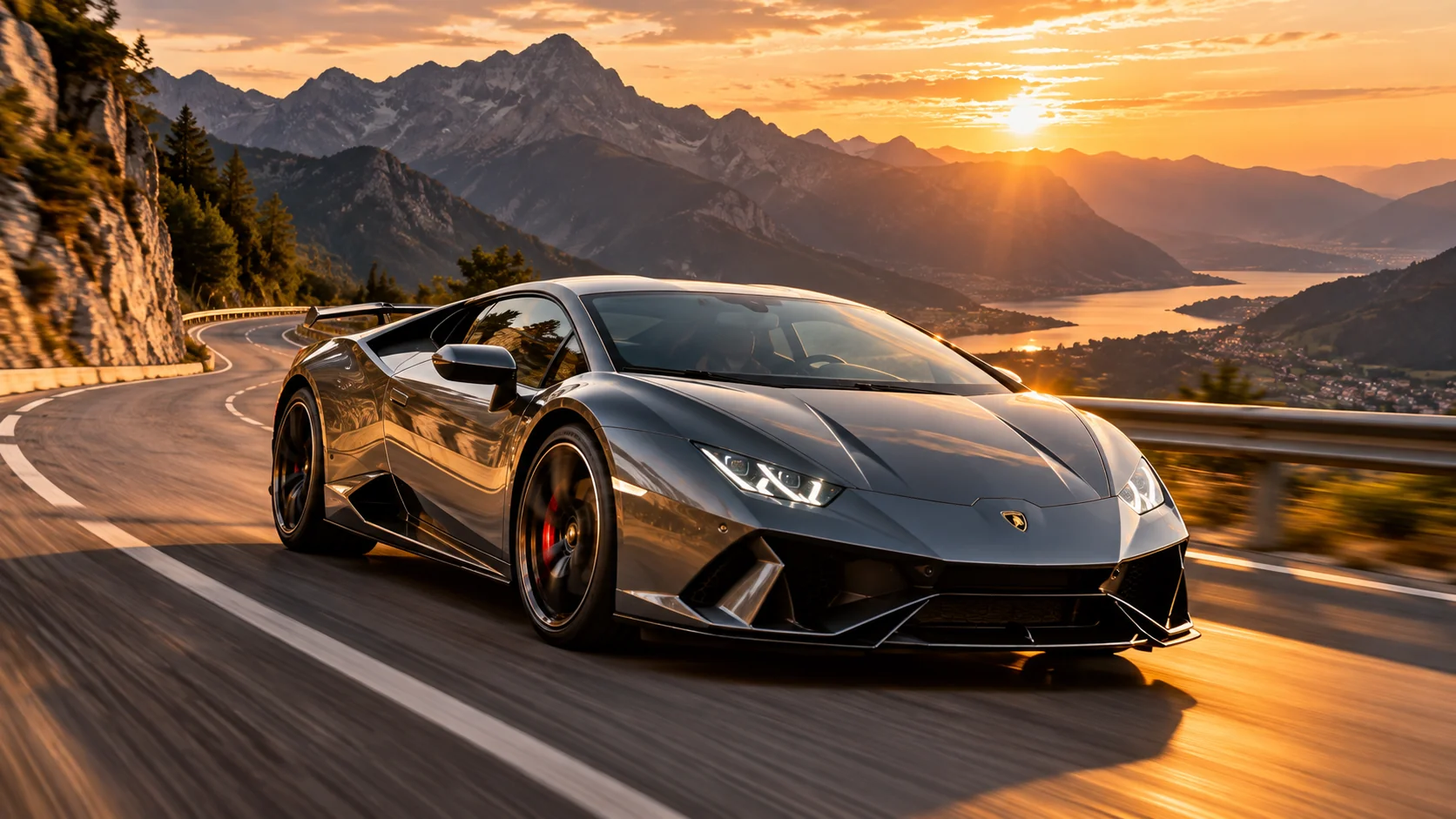
3. Supercar on a Mountain Road at Golden Hour — AI Prompt
Prompt
Create a photorealistic professional automotive photograph of an exotic supercar driving along a winding mountain road during golden hour. The car should have an elegant metallic finish, realistic aerodynamic details, accurate proportions, clean headlights, detailed wheels, and natural reflections. Position the vehicle prominently in the foreground while dramatic mountains, distant valleys, and a warm sunset sky create depth behind it. Use a low roadside camera angle with a slightly compressed perspective, subtle motion in the background, realistic tire contact with the road, and warm sunlight creating controlled highlights along the body. Preserve believable shadows, atmospheric perspective, road texture, and natural color. Make the final image feel like a premium automotive travel campaign photographed in a real location.
Usage: Perfect for scenic car photography, travel content, automotive campaigns, wallpapers, and aspirational social media visuals.
Tip: Try changing golden hour to sunrise, overcast weather, autumn scenery, or a coastal mountain road for completely different results.
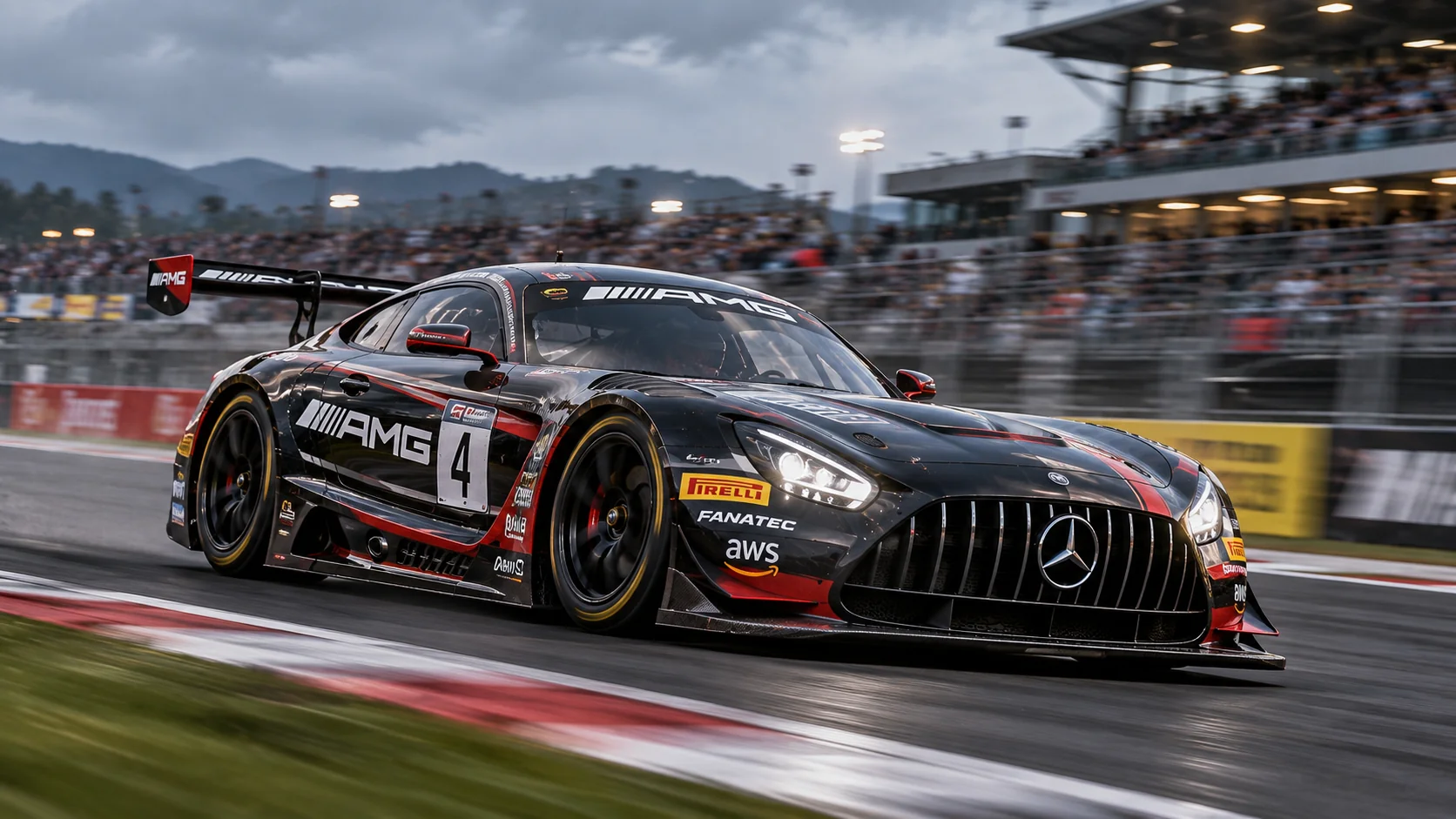
4. High-Speed Racing Action Shot — AI Prompt
Prompt
Create a photorealistic professional motorsport photograph of a high-performance race car accelerating through a professional racing circuit at high speed. Show the vehicle sharply as the primary subject with realistic aerodynamic bodywork, racing tires, detailed wheels, visible brake components, and authentic track proportions. Use a dynamic low panning camera angle that keeps the car relatively sharp while creating natural directional motion blur in the background, track surface, and distant barriers. Add realistic tire contact, subtle dust and heat atmosphere, dramatic stadium lighting, and a slightly overcast sky. The image should look like an authentic motorsport photograph captured from trackside with a professional telephoto lens, not a video-game render or exaggerated illustration.
Usage: Best for racing content, motorsport articles, performance-car posts, action photography concepts, and dramatic wallpapers.
Tip: Specify a road course, oval circuit, rally stage, or night race depending on the type of motorsport atmosphere you want.
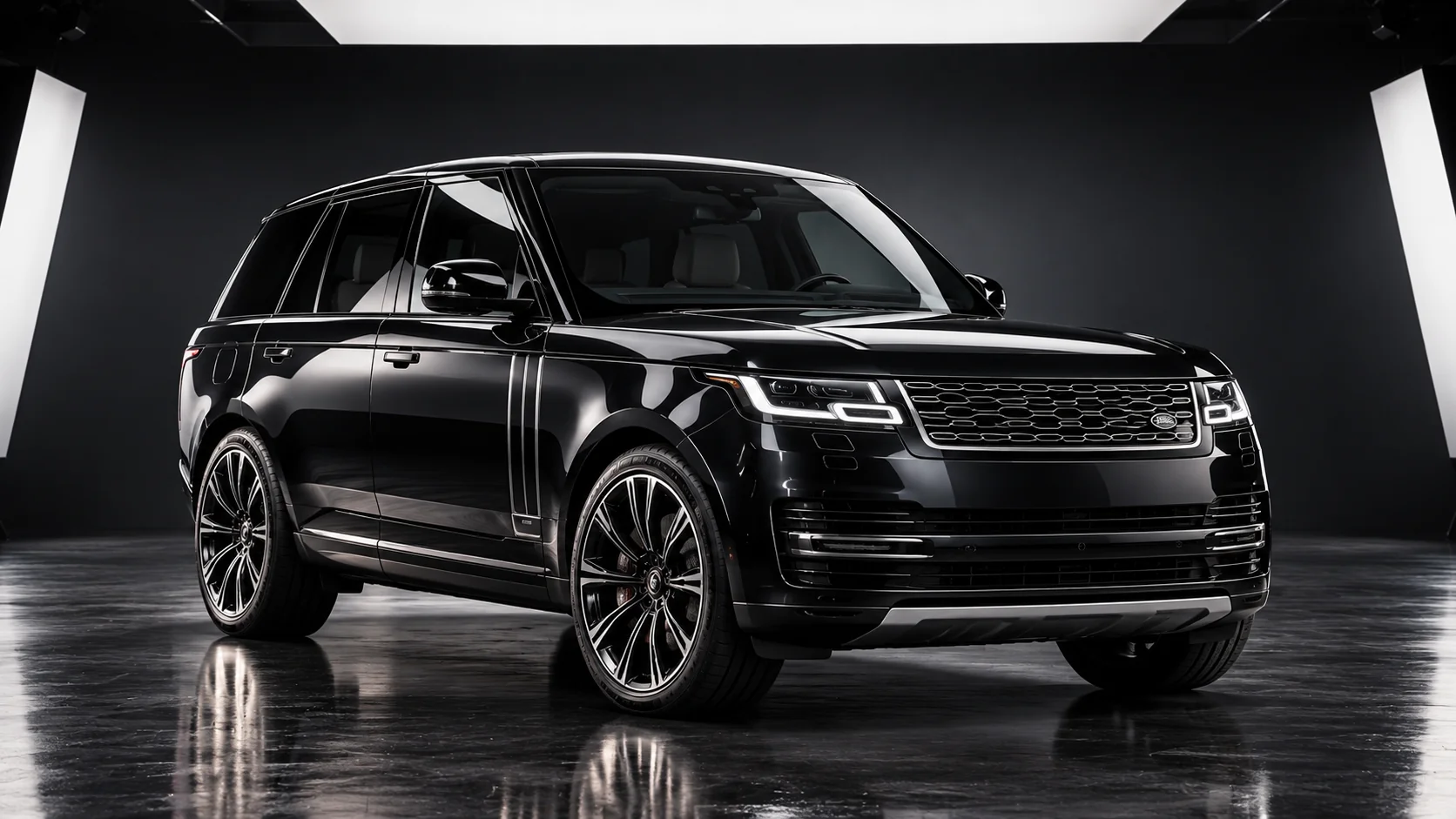
5. Premium Automotive Studio Shot — AI Prompt
Prompt
Create a photorealistic premium studio photograph of a modern luxury vehicle displayed inside a large professional automotive photography studio. Place the car on a perfectly clean dark reflective floor with a controlled black-to-gray background. Use large softbox lighting from above and the sides to create elegant continuous highlights along the hood, roof, doors, and fenders while preserving realistic shadows and reflections. Photograph the vehicle from a centered three-quarter front perspective with precise composition and generous negative space. Show accurate body geometry, realistic paint texture, glass, tires, wheels, headlights, panel gaps, and subtle environmental reflections. The final result should resemble a premium automobile manufacturer advertisement photographed in a controlled studio, with clean visual hierarchy and no unnecessary objects, text, or watermark.
Usage: Useful for car product photography, dealership-style visuals, automotive websites, advertisements, and clean hero images.
Tip: Try a bright white studio for a commercial catalog appearance or a nearly black studio for a dramatic luxury campaign.
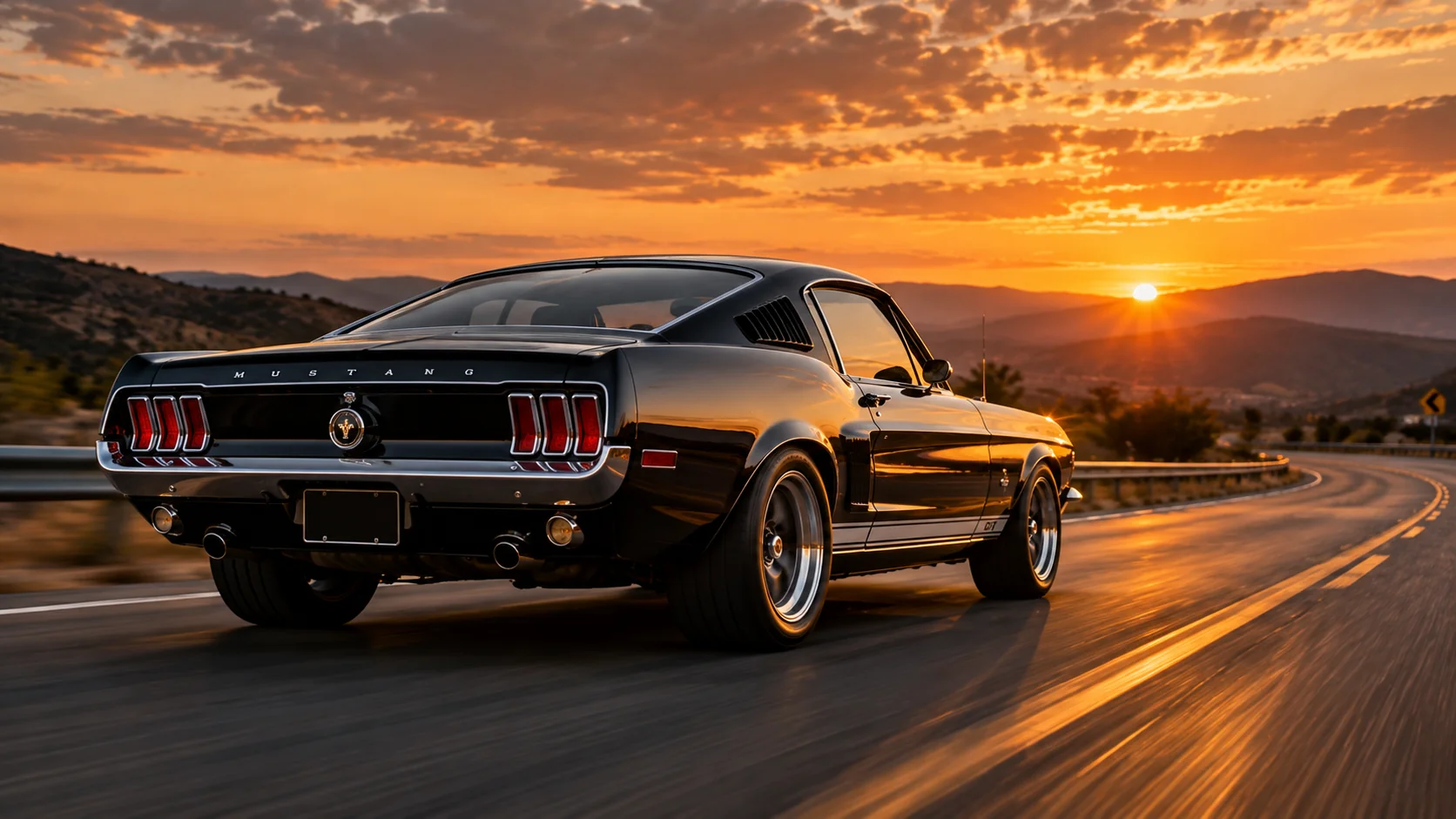
6. Classic Muscle Car on an Open Highway — AI Prompt
Prompt
Create a photorealistic cinematic photograph of a beautifully restored classic American muscle car cruising along an open highway at sunset. Give the vehicle authentic vintage proportions, polished chrome details, realistic paint, period-correct wheels, natural glass reflections, and believable mechanical details. Frame the car from a low rear three-quarter tracking perspective as it moves along the highway, with warm sunlight illuminating the edges of the body and long shadows stretching across the road. Include distant hills, subtle roadside vegetation, atmospheric haze, and a dramatic but natural sunset sky. Use realistic motion cues and a shallow depth of field while keeping the vehicle clearly detailed. The final image should feel like a genuine automotive road-trip photograph with a nostalgic American-road atmosphere.
Usage: Great for classic-car content, vintage automotive articles, retro posters, wallpapers, and nostalgic social media photography.
Tip: Change the decade, body style, paint color, or landscape to create a different era-specific automotive story.
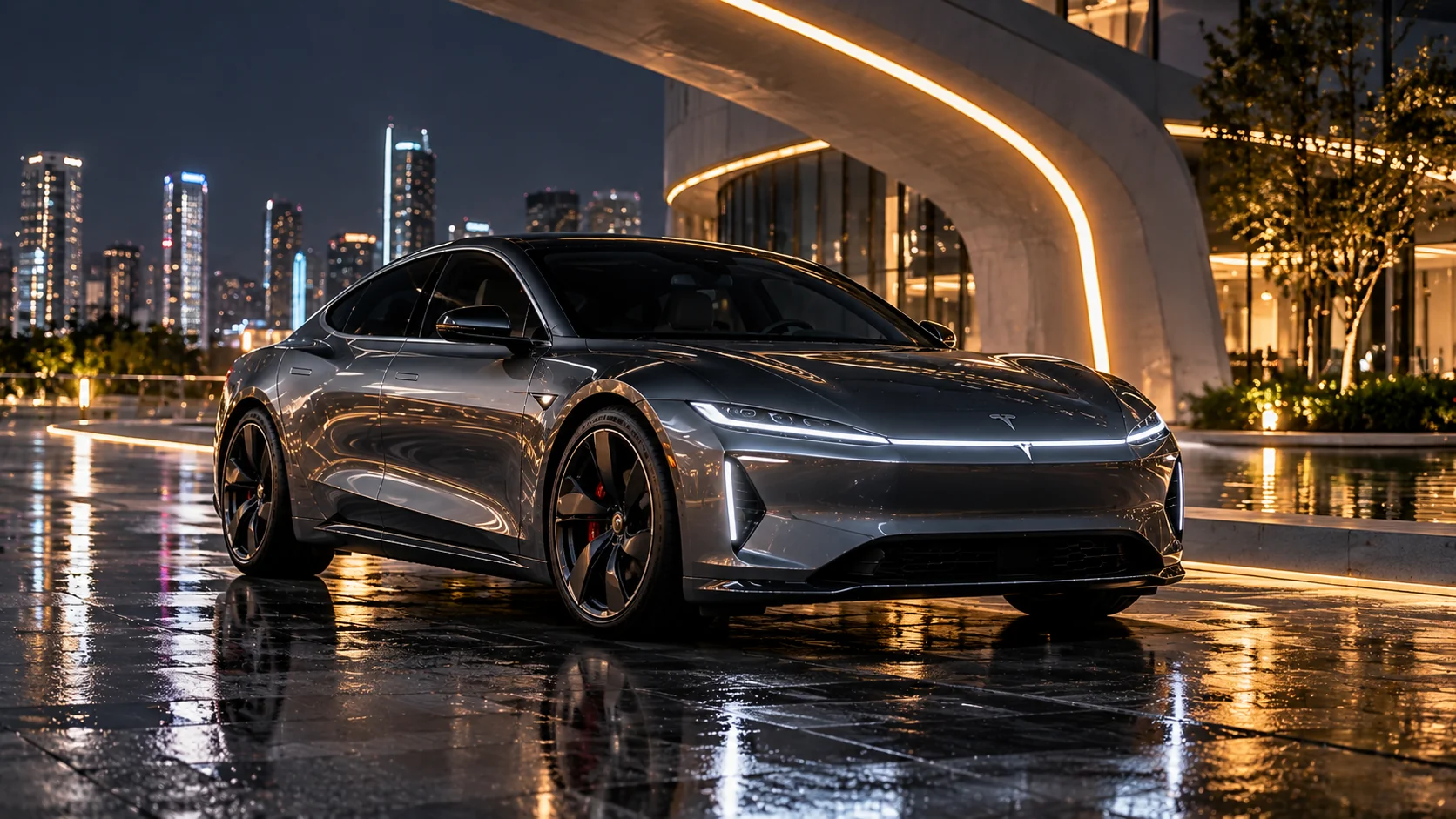
7. Futuristic Electric Car in a Modern City — AI Prompt
Prompt
Create a photorealistic futuristic automotive photograph featuring a sleek next-generation electric car parked outside a striking modern architectural complex at night. The vehicle should have smooth aerodynamic proportions, sophisticated LED lighting, realistic metallic and glass surfaces, detailed wheels, and believable reflections. Use architectural light strips, subtle illuminated windows, wet pavement, and soft atmospheric haze to create a premium futuristic environment without making it look like a science-fiction illustration. Photograph the car from a low front three-quarter angle with controlled depth of field and cinematic lighting. Preserve realistic geometry, natural shadows, accurate perspective, and physically believable reflections. The final image should look like a premium electric-vehicle launch campaign photographed in a real contemporary city.
Usage: Ideal for EV content, technology articles, futuristic automotive concepts, innovation campaigns, and modern social visuals.
Tip: Keep the environment realistic if you want a commercial result, or increase the architectural abstraction for a more futuristic concept-art direction.
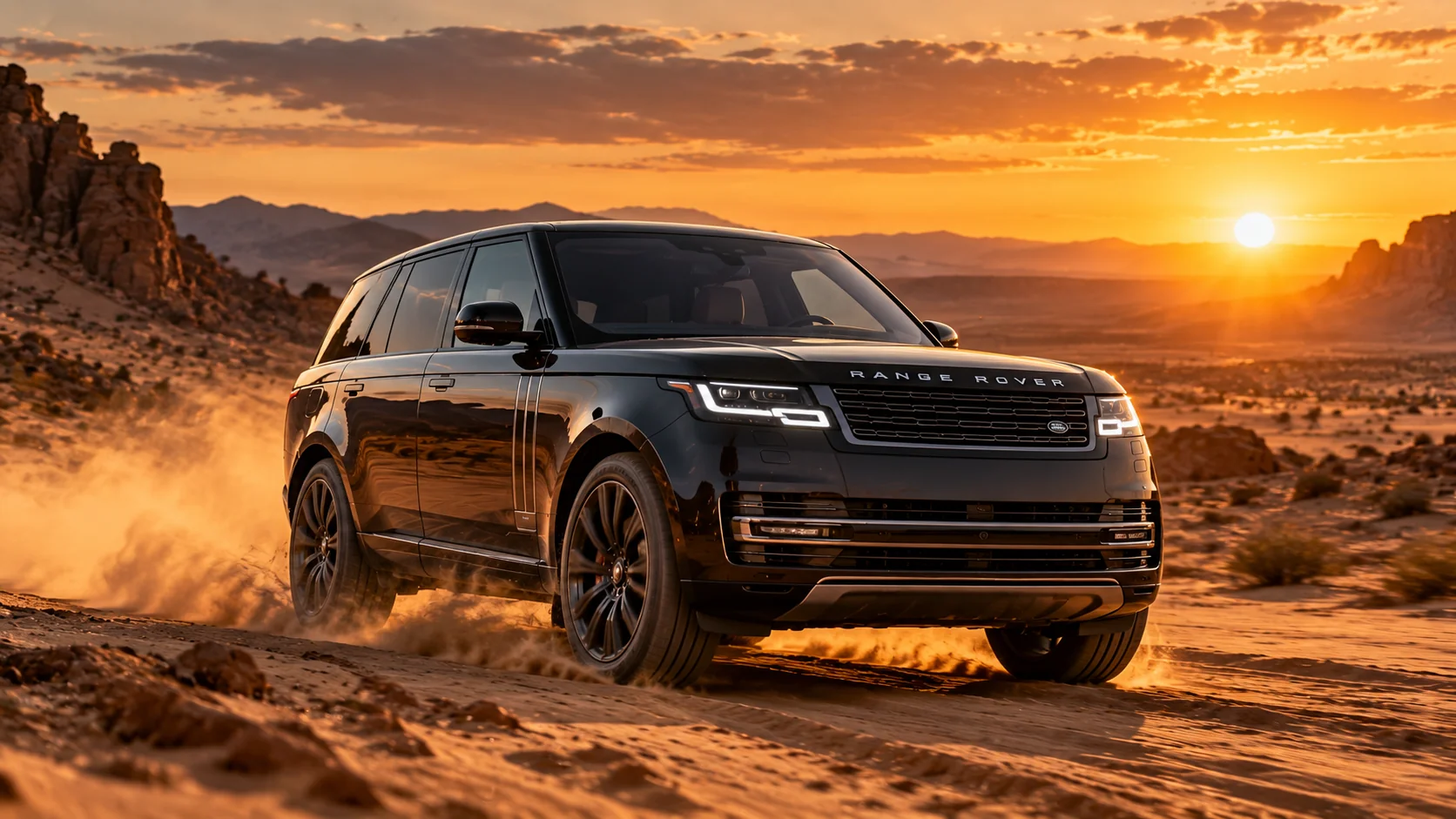
8. Luxury SUV Desert Adventure — AI Prompt
Prompt
Create a photorealistic cinematic automotive photograph of a premium luxury SUV traveling across a vast desert landscape during late golden hour. Show the SUV with realistic body proportions, premium paint, detailed wheels, natural glass, believable tire tracks, and subtle dust around the tires. Position the vehicle prominently against sweeping sand dunes and a distant horizon, using warm sunlight to create long highlights across the body and realistic shadows beneath the vehicle. Capture the scene from a low wide-angle perspective that emphasizes both the SUV and the scale of the landscape. Include fine sand texture, atmospheric depth, natural sunlight, realistic reflections, and restrained cinematic color grading. Make the image look like an authentic luxury adventure campaign photographed in the American Southwest or another expansive desert environment.
Usage: Perfect for SUV campaigns, adventure content, automotive lifestyle images, travel articles, and cinematic wallpapers.
Tip: Replace the desert with rocky terrain, snow-covered mountains, forest roads, or coastal cliffs to create a different adventure theme.
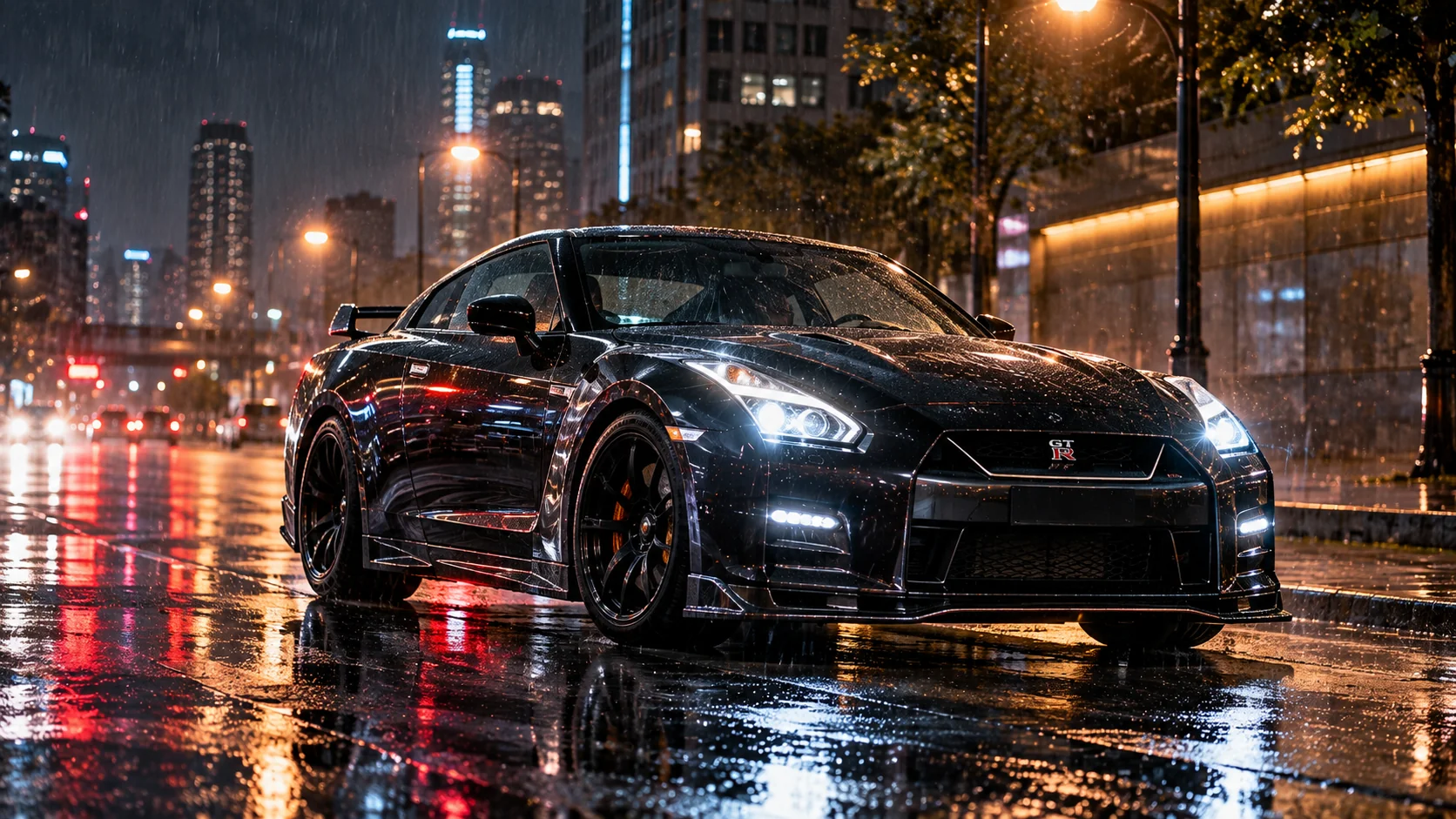
9. Rainy Night Car Photography — AI Prompt
Prompt
Create a photorealistic cinematic night photograph of a high-performance sports car stopped on a wet urban road during a light rainstorm. Show realistic water droplets across the windshield and body panels, glowing headlights, detailed wheels, accurate proportions, and natural reflections across the wet paint. Surround the vehicle with softly blurred streetlights, distant traffic, dark buildings, and colorful reflections on the asphalt. Use a low camera position slightly off-center with shallow depth of field, realistic lens behavior, subtle atmospheric haze, and controlled highlights. Keep the car sharply defined while the environment falls gradually out of focus. The final image should resemble an authentic professional automotive night photograph with realistic rain, materials, lighting, and perspective rather than an overly stylized digital render.
Usage: Excellent for dramatic car photography, night-themed posts, cinematic wallpapers, music visuals, and social media content.
Tip: Use light rain for a polished commercial look or heavier rainfall for a more dramatic atmosphere, while keeping reflections physically believable.
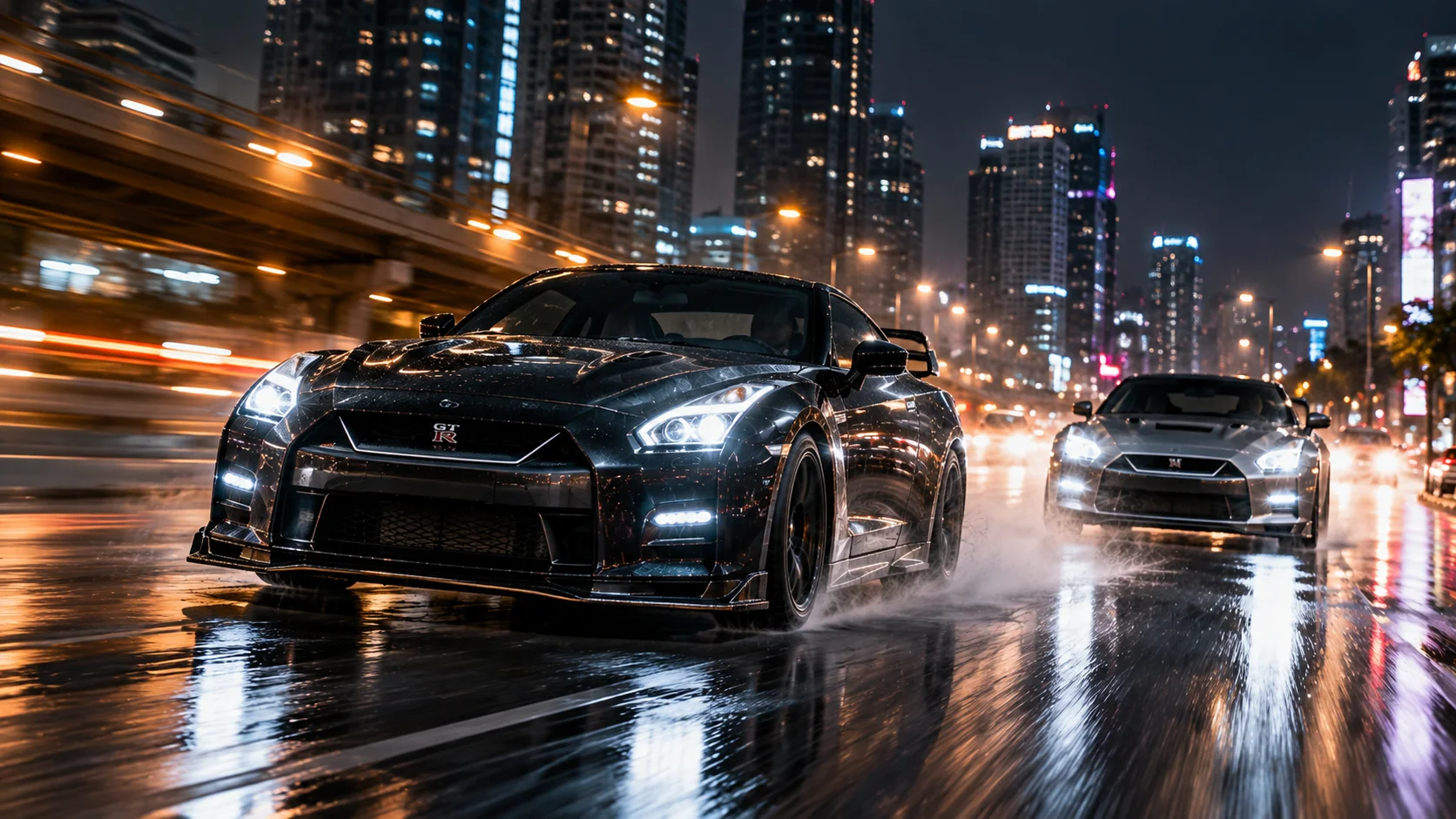
10. Cinematic Car Chase Scene — AI Prompt
Prompt
Create a photorealistic cinematic action photograph of two high-performance sports cars moving rapidly through a wide city boulevard at night. The lead car should remain the dominant subject, with realistic body proportions, detailed headlights, wheels, paint reflections, and believable road contact. Capture the scene from a low tracking camera positioned close to the road, using natural directional motion blur around the environment while keeping the primary vehicle recognizable and relatively sharp. Add wet pavement, reflections from streetlights, distant buildings, atmospheric haze, subtle tire spray, and dramatic but believable illumination. Use a sophisticated movie-like composition with strong depth, realistic perspective, and controlled contrast. The final image should look like a frame from a professionally photographed automotive action sequence rather than a CGI game screenshot.
Usage: Best for cinematic car content, action-themed articles, automotive posters, video concepts, thumbnails, and dramatic social media visuals.
Tip: Change the location to a mountain pass, tunnel, coastal highway, or industrial district and adjust the weather to build a completely different chase atmosphere.
The best AI car images usually come from specific visual direction rather than simply adding more dramatic adjectives. Start with the vehicle and decide what kind of photograph you want it to become: a luxury editorial, a clean studio advertisement, an action photograph, a road-trip scene, or a cinematic night shot. Then describe the environment, camera viewpoint, lighting, reflections, composition, and important details that should remain consistent. If your first generation is close but not quite right, refine one element at a time instead of rewriting everything. For example, you can change only the camera angle, make the lighting softer, increase the wet-road reflections, or move the vehicle into a different environment. This kind of controlled iteration can make your results more consistent across different AI image generators. Use the prompts in this guide as starting points, customize the vehicle and setting to match your idea, and build a personal prompt style that produces automotive images with a recognizable visual identity.
Why These Prompts Work So Well
A strong AI car photography prompt gives the image generator enough visual information to understand not only what vehicle should appear, but also how the finished photograph should look. Automotive images are especially dependent on reflections, lighting, perspective, materials, and accurate geometry, so simply writing a car model and asking for a realistic image can leave too much open to interpretation. These prompts combine the main elements that help guide a controlled photographic result: a clearly defined vehicle, intentional composition, specific lighting, environmental context, and realistic photographic cues.
Clear Camera Direction
Low angles, three-quarter views, tracking shots, wide compositions, and controlled perspectives help establish how the vehicle should be framed instead of leaving the camera position entirely to the model.
Specific Lighting
Golden hour, blue hour, studio softboxes, neon illumination, headlights, and directional light give the model concrete visual information for creating believable highlights and shadows.
Realistic Automotive Details
Paint texture, glass, tires, wheels, body lines, panel geometry, road contact, and reflections help the vehicle feel like a photographed object rather than a generic digital illustration.
Controlled Composition
Defining the subject's position, viewpoint, depth, background, and negative space creates a clearer visual hierarchy and makes the final image more useful for posts, advertisements, and editorial layouts.
Easy Customization
Each prompt can be adapted by changing the vehicle, paint color, location, weather, time of day, camera viewpoint, and mood while keeping the underlying photographic structure intact.
Frequently Asked Questions
What are AI car photo prompts?
AI car photo prompts are written instructions used with an image-generation model to describe a desired automotive photograph. They can specify the vehicle, environment, lighting, camera viewpoint, composition, atmosphere, materials, and other visual constraints to guide the generated image.
How do I create realistic AI car images?
Describe the car clearly and then add specific information about the setting, lighting, camera angle, composition, reflections, road surface, and photographic style. Words such as photorealistic and professional automotive photography can help establish the intended visual direction, while concrete details are generally more useful than vague descriptions.
Can I use these prompts for luxury and sports cars?
Yes. The prompts are designed to be customizable for luxury sedans, sports cars, supercars, SUVs, classic cars, electric vehicles, and other automotive subjects. Replace the generic vehicle description with the car you want to feature and adjust the setting to match your concept.
How can I make an AI-generated car look more realistic?
Focus on realistic proportions, materials, reflections, lighting, tire contact, shadows, and perspective. Automotive scenes also benefit from specifying what the camera sees, such as a low three-quarter angle or a tracking shot. If the first result has an issue, make a targeted revision rather than changing every part of the prompt at once.
Can I use a reference photo of my car with an AI prompt?
Many image-generation and editing tools support reference images. When using one, clearly state which vehicle details should remain unchanged, such as body shape, paint color, wheels, proportions, or visible features. For editing workflows, explicitly describing what should change and what should stay the same can help preserve the original vehicle.
What makes a good cinematic car photography prompt?
A good cinematic car prompt combines a clearly defined vehicle with intentional composition, believable lighting, environmental context, realistic reflections, depth, and a specific photographic mood. Instead of relying only on terms such as 8K or ultra-detailed, describe visible elements such as the camera angle, light source, road conditions, atmosphere, and background.
About the Author
Jitendra Patra
AI Prompt Researcher & Software Engineering Student
✦ Prompt Engineering Research✦ Gemini & Generative AI Focus❖ Prompt Development & Research
Jitendra Patra is a software engineering student and AI prompt researcher specializing in Google Gemini and generative image models. He actively experiments with structured prompt engineering techniques to produce high-quality, reproducible visual outputs.
His work focuses on iterative prompt development, with attention to subject, lighting, composition, and visual style.
The prompts in this guide are developed with attention to structure, detail, and visual quality.