10 Best AI Image Prompts for Humanoid Robot Photography (4K Ultra-Realistic)
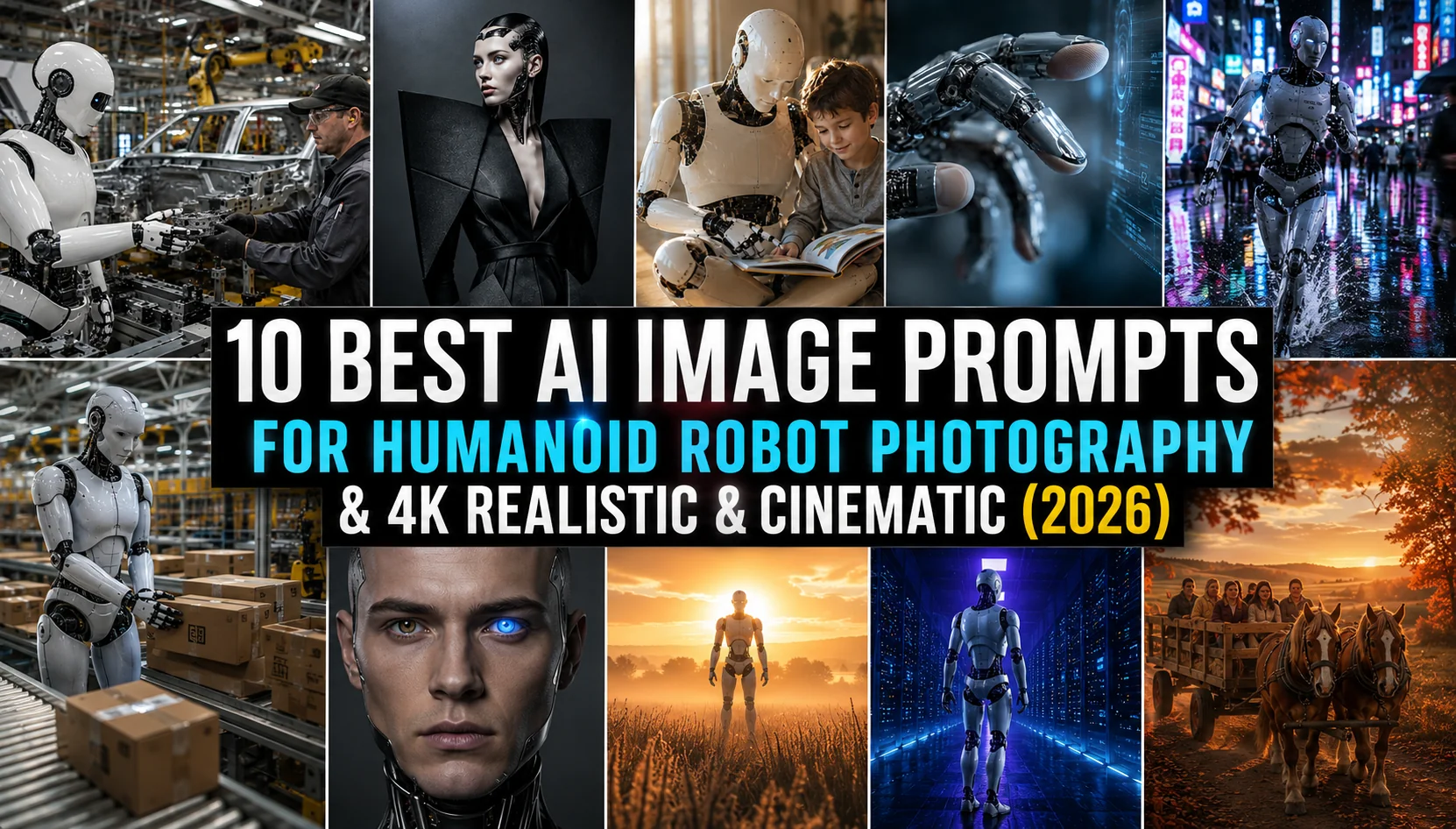
AI image prompts for humanoid robot photography have become one of the fastest-growing search categories of 2026 — and for good reason. This year, humanoid robots have moved from science fiction to factory floors, with Chinese manufacturers like AgiBot and Unitree producing over 100,000 units, the Tiangong Ultra humanoid breaking human speed records at the World Robot Conference, and Tesla’s Optimus deploying across real industrial environments. As these machines reshape the world, creators, designers, and tech enthusiasts are turning to AI image generators to visualise what this robotic future looks like. In this guide, we share the 10 best AI image prompts for humanoid robot photography — covering ultra-realistic studio portraits, human-robot factory collaboration, urban street photography, high fashion editorial, cinematic sci-fi, macro mechanical detail, documentary warehouse scenes, emotional human-connection portraits, sweeping nature landscapes, and high-speed action shots. Every prompt is built for ChatGPT with DALL·E 3, Google Gemini AI, Midjourney v6, and Stable Diffusion XL, engineered with precise camera specs, material texture language, and lighting direction to produce photorealistic, non-plastic, DSLR-quality humanoid robot imagery every time.
- 10 copy-paste prompts — studio, factory, street, fashion, sci-fi & more
- Works with ChatGPT, Gemini AI, Midjourney v6 & Stable Diffusion XL
- Inspired by real 2026 humanoid robot technology — AgiBot, Unitree, Tiangong Ultra
- Includes customization tips for every prompt style
- Engineered to avoid the plastic, cartoonish robot look
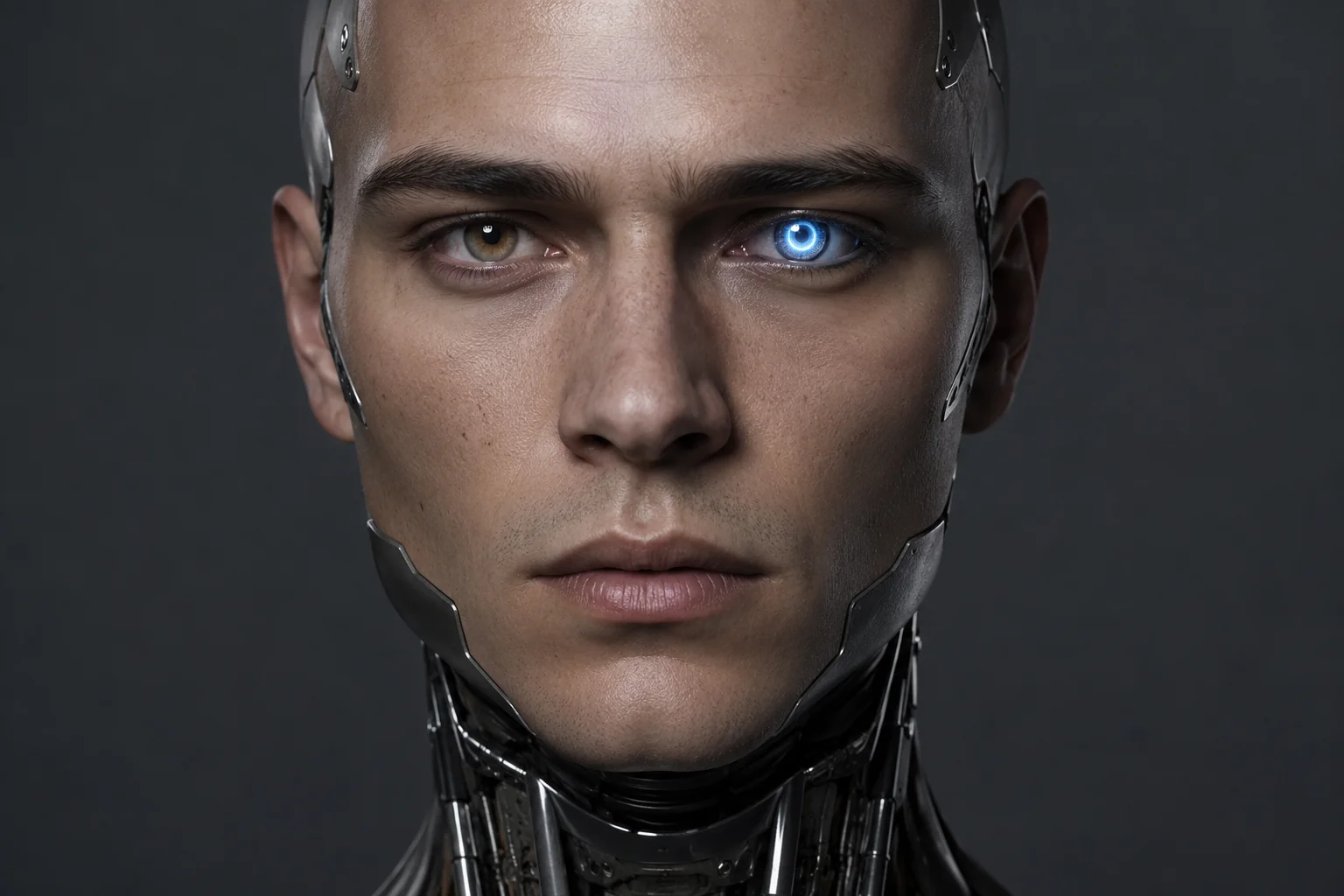
1. Uncanny Valley Studio Portrait — AI Image Prompt for Humanoid Robot Photography
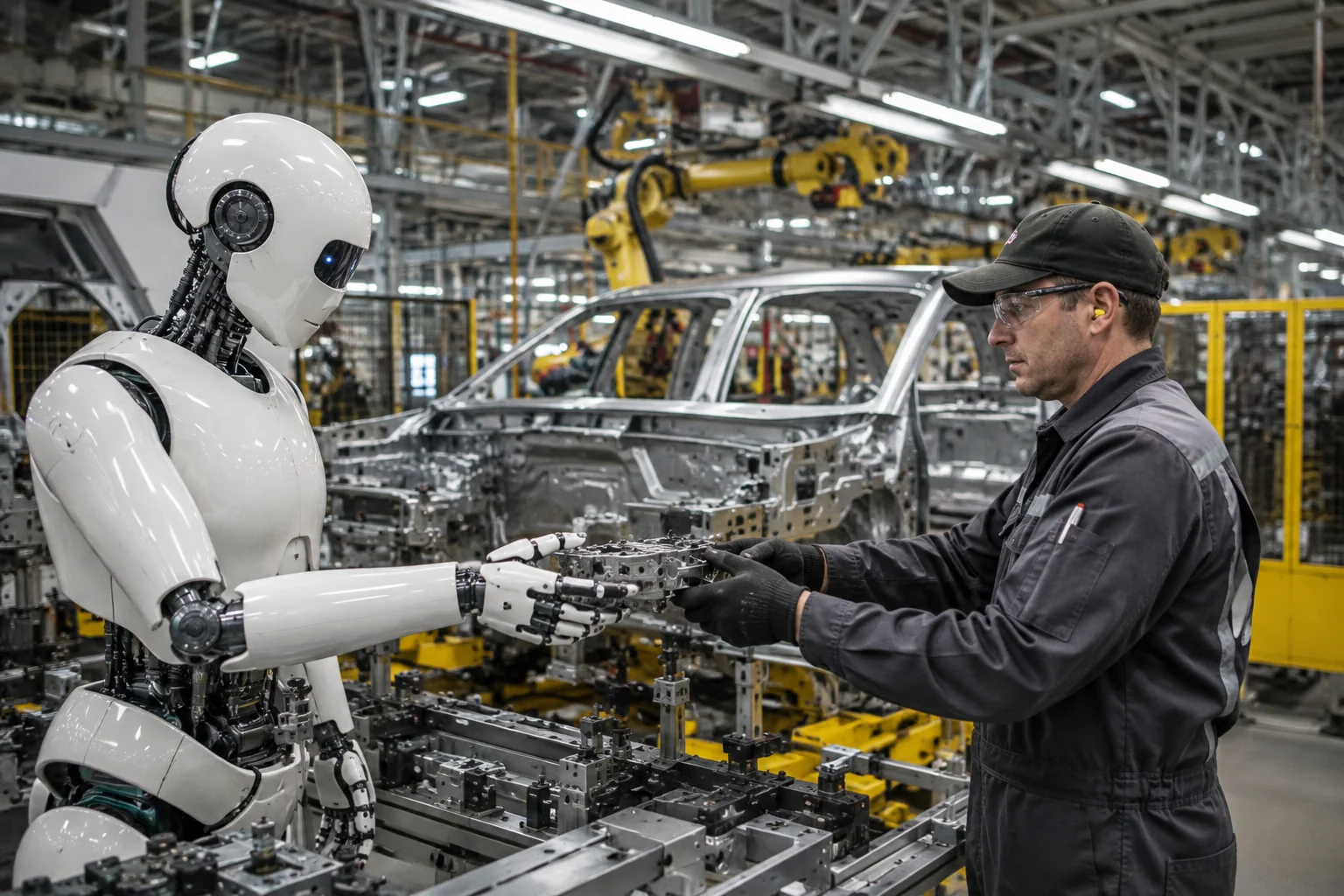
2. Human-Robot Factory Collaboration — AI Image Prompt for Humanoid Robot Photography
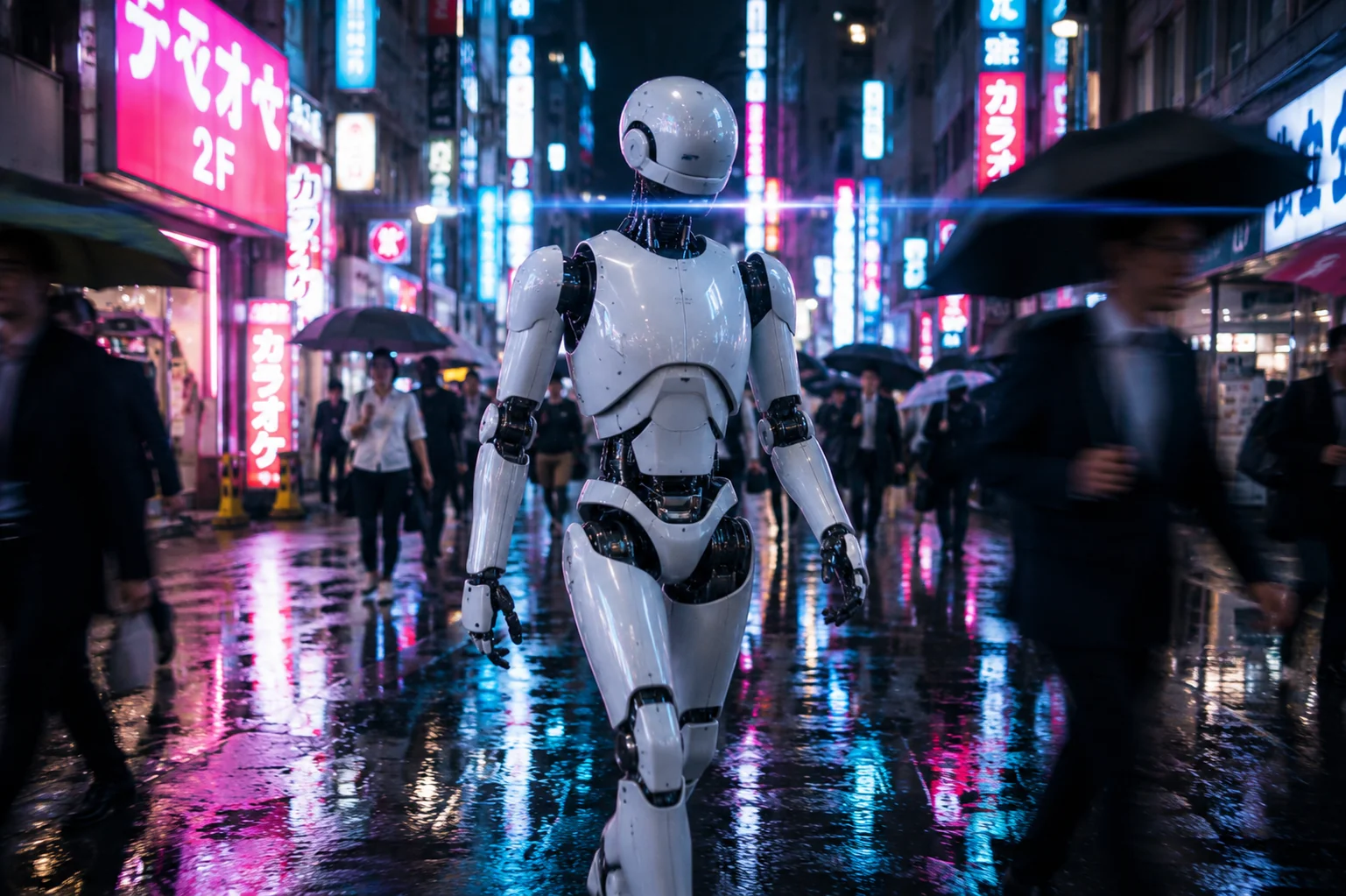
3. Urban Night Street Photography — AI Image Prompt for Humanoid Robot Photography
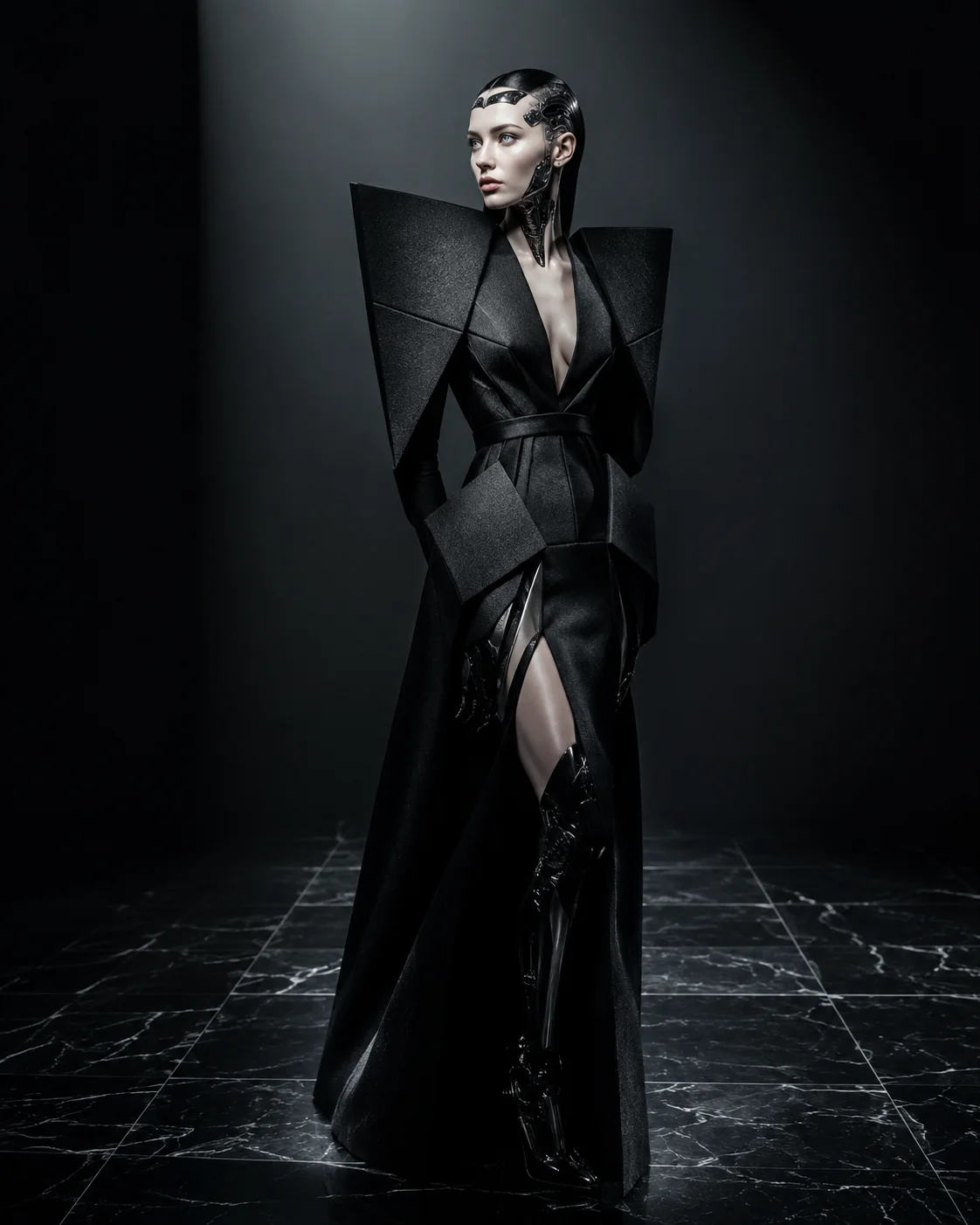
4. High Fashion Editorial Robot Portrait — AI Image Prompt for Humanoid Robot Photography
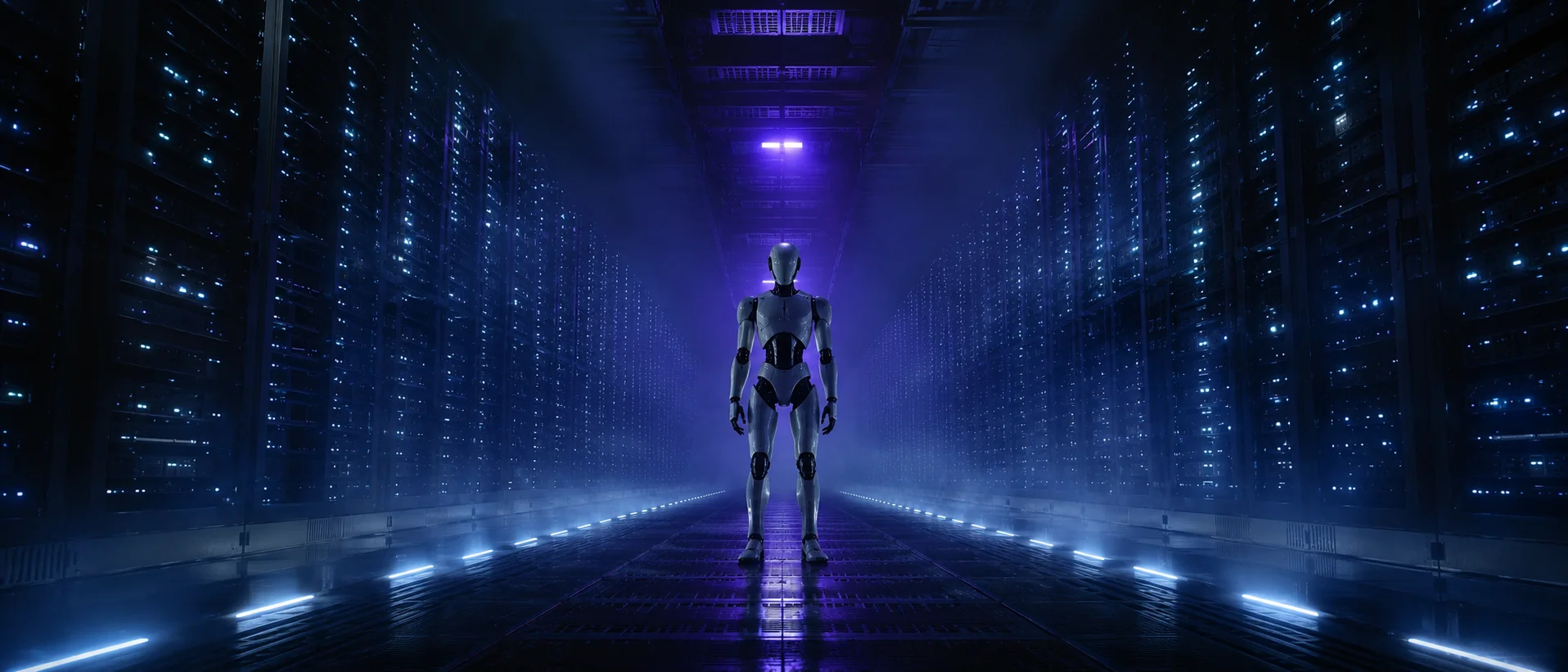
5. Cinematic Sci-Fi Server Room — AI Image Prompt for Humanoid Robot Photography
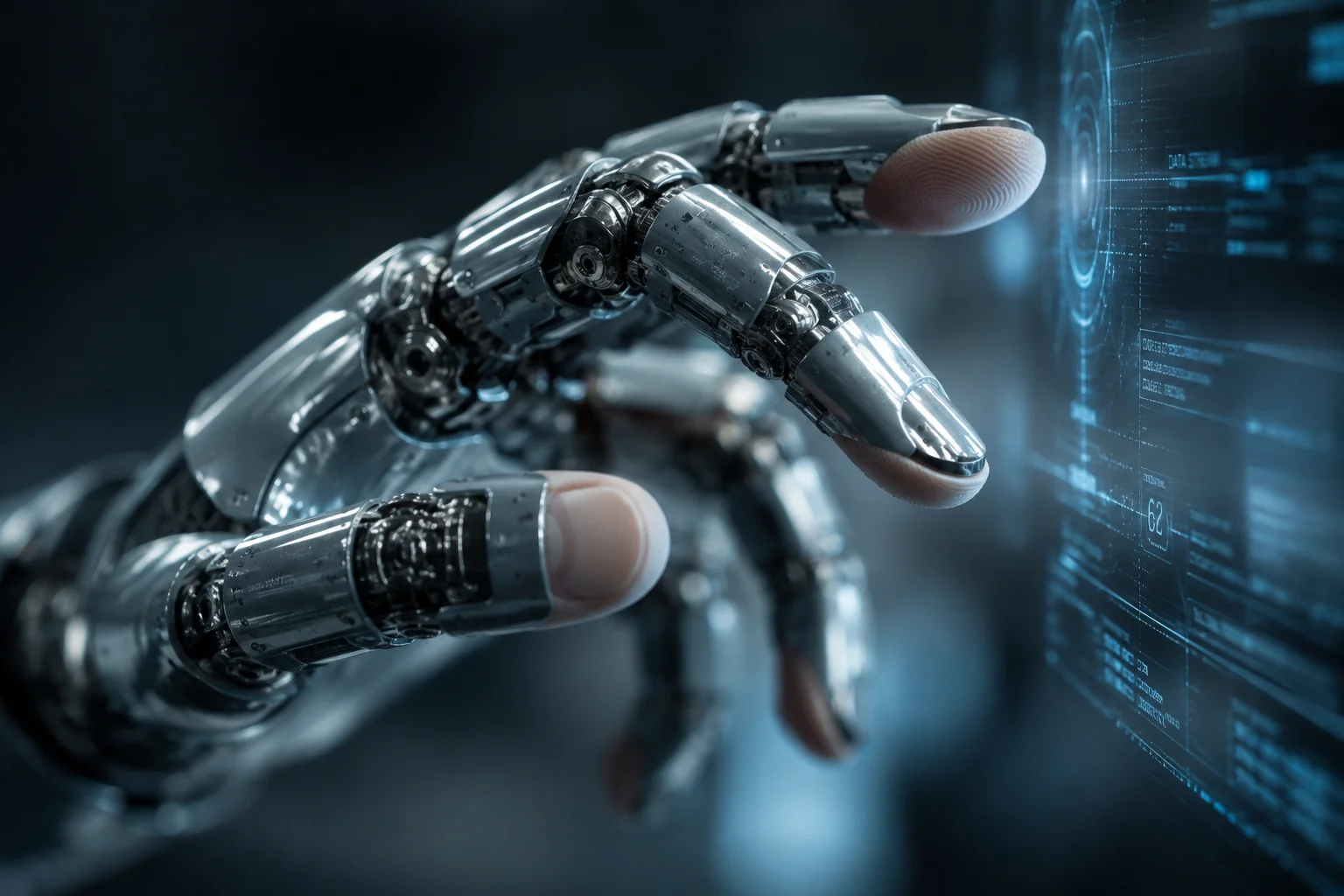
6. Mechanical Hand Macro Close-Up — AI Image Prompt for Humanoid Robot Photography
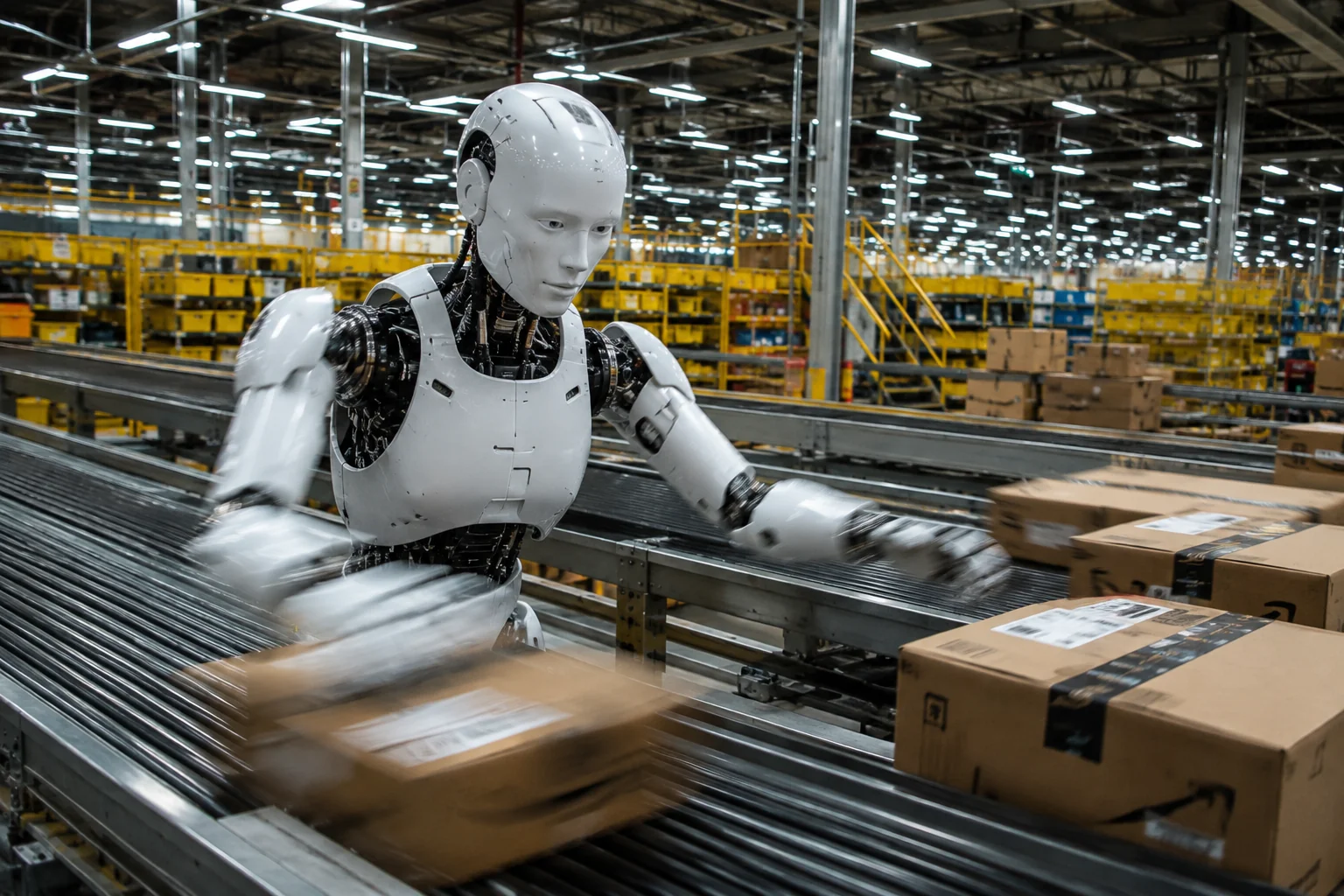
7. Warehouse Logistics Documentary — AI Image Prompt for Humanoid Robot Photography
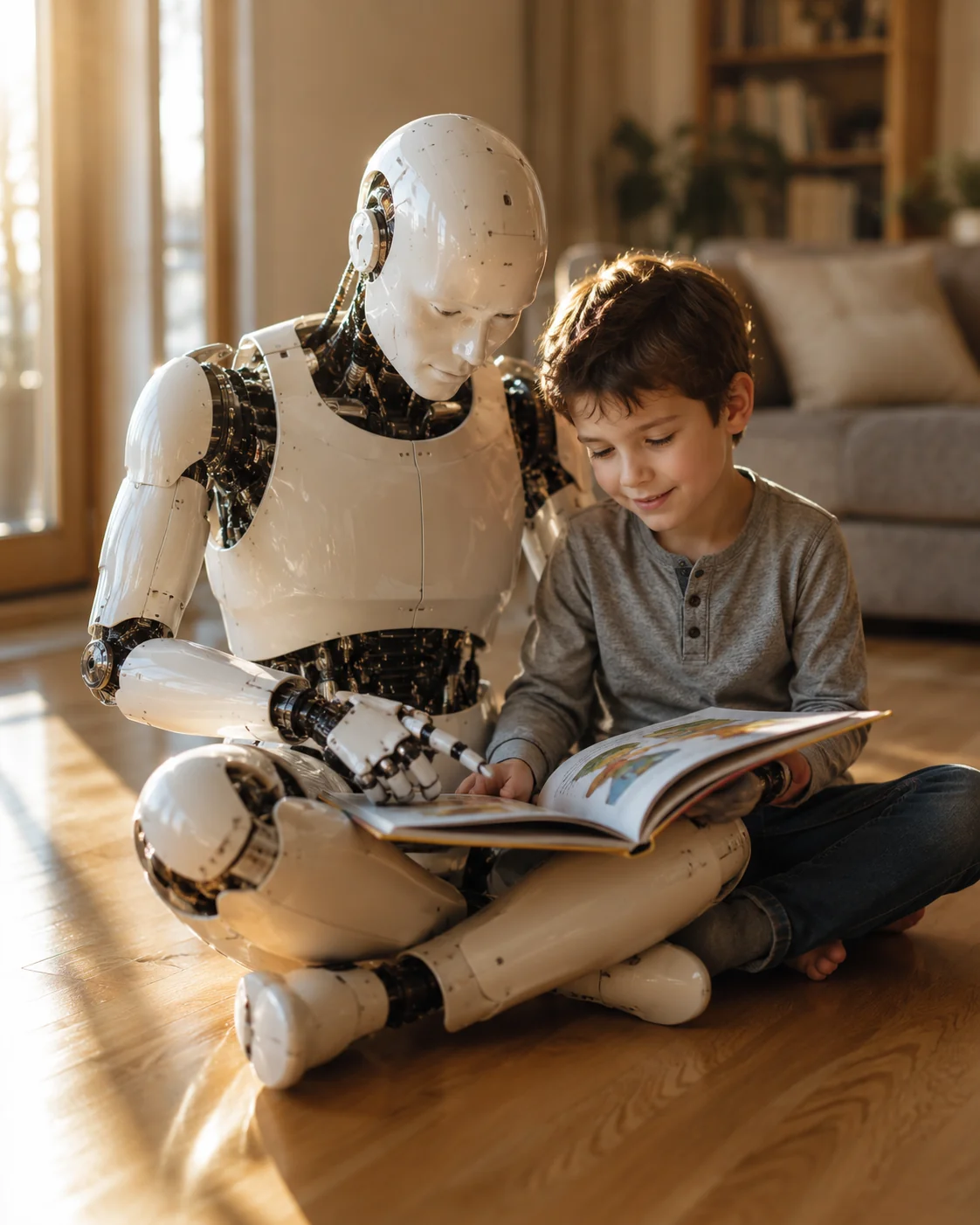
8. Human Connection Portrait — AI Image Prompt for Humanoid Robot Photography
9. Solitary Robot in Open Nature — AI Image Prompt for Humanoid Robot Photography
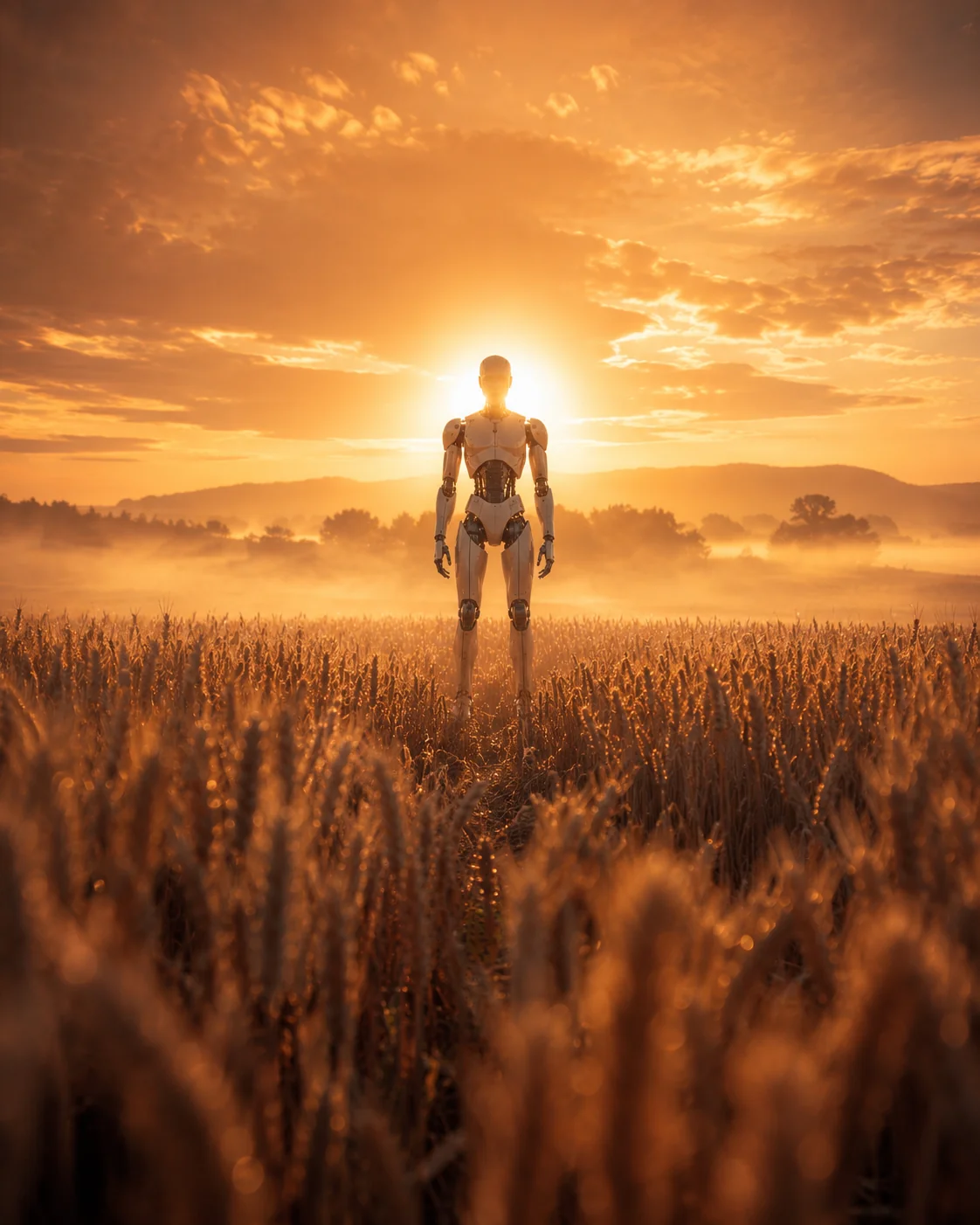
10. Night City Speed Sprint — AI Image Prompt for Humanoid Robot Photography
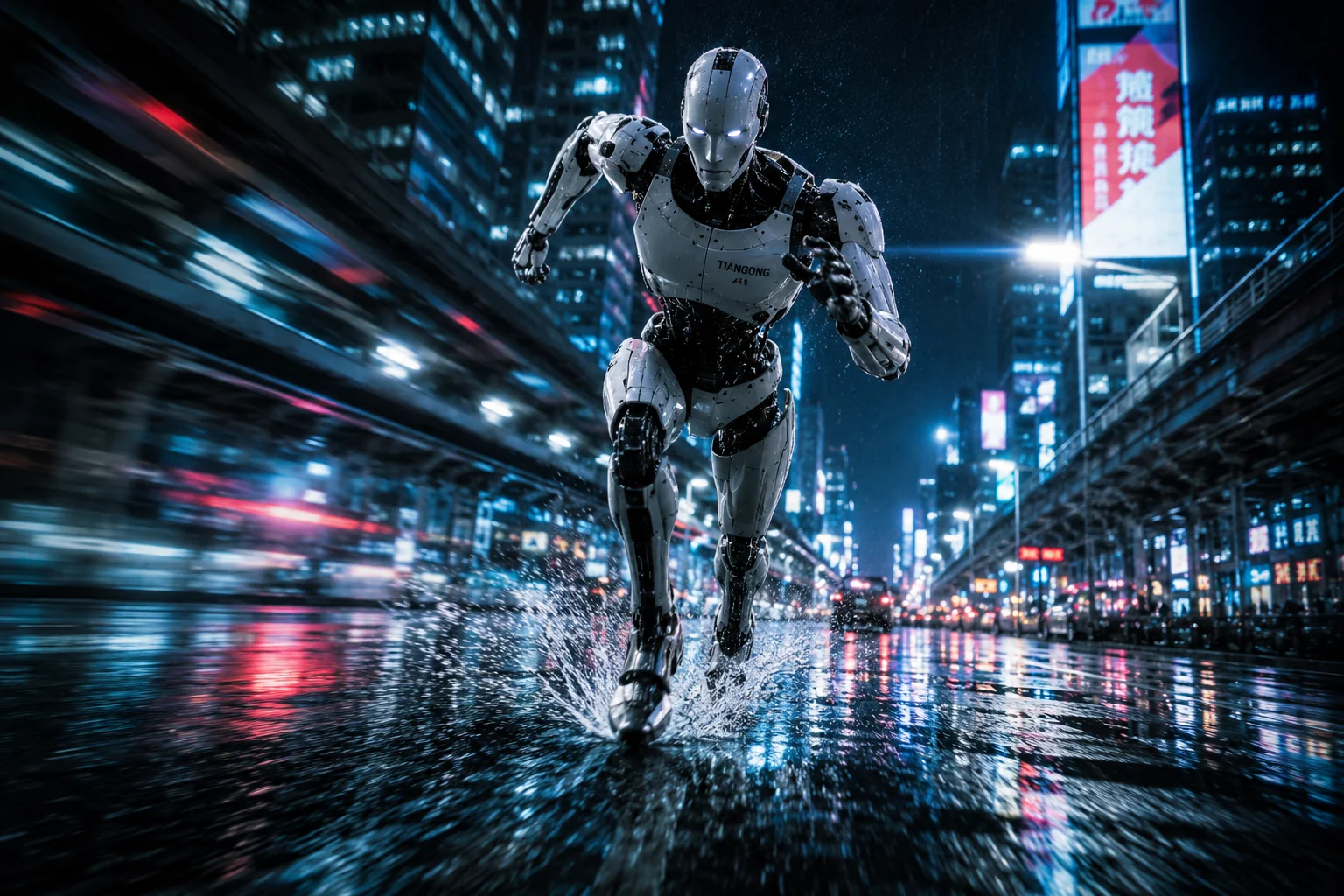
These AI image prompts for humanoid robot photography are engineered using the 2026 photographer’s brief formula: Subject + Environment + Lighting & Mood + Camera & Lens Specs + Technical Quality Keywords. This structure consistently produces photorealistic, non-plastic robot imagery across all major AI image tools. For even sharper results, add negative terms like “no cartoon, no 3D render, no plastic texture, no illustration” where your tool supports them. Adjust aspect ratios to match your platform — use --ar 4:5 for portrait editorial posts, --ar 16:9 for widescreen tech campaigns, and --ar 21:9 for ultra-cinematic compositions. Every prompt in this list can be freely customised — swap locations, lighting conditions, robot materials, and environmental context to build an entirely original set of humanoid robot visuals that are uniquely yours.
Why These AI Image Prompts for Humanoid Robot Photography Work So Well
Every prompt in this list is built using the 4 key elements of effective humanoid robot AI photography prompts that produce consistently photorealistic results:
Camera & Lens Specificity
Stating exact lens values like “85mm portrait lens, f/1.8” or “24mm anamorphic” instructs AI generators to simulate real optical properties — background compression, bokeh quality, and depth-of-field — that instantly elevate results from generic renders to DSLR-quality photographs.
Material & Surface Texture Detail
Terms like “synthetic skin pores, brushed titanium, micro-scratches on metal surfaces, oiled mechanical joints” prevent AI from defaulting to the generic smooth-plastic robot look. Material specificity is the single most important variable for achieving photorealistic humanoid robot images in 2026.
Real Environmental Context
Placing robots in authentic, specific environments — a rain-soaked Tokyo street, a warehouse logistics floor, a golden wheat field — forces AI generators to render believable scene lighting, surface reflections, and atmospheric depth. Generic “tech lab” or “digital space” backgrounds consistently produce inferior results.
Deliberate Lighting Language
Specific lighting vocabulary — “single overhead key light with soft fill”, “volumetric fog with blue LED strips from below”, “golden hour backlight with lens flare halo” — is interpreted directly by AI models as light-source position, quality, and colour temperature, producing dramatically more controlled and cinematic final images.
Jitendra Patra
AI Prompt Researcher & Software Engineering Student
Jitendra Patra is a software engineering student and AI prompt researcher specialising in Google Gemini and generative image models. He actively experiments with structured prompt engineering techniques to produce high-quality, reproducible visual outputs across technology, portrait, and futurism photography categories.
His work on humanoid robot imagery is grounded in real 2026 developments — including the mass production ramp by AgiBot and Unitree, the Tiangong Ultra speed record at the World Robot Conference, and the deployment of robotics across industrial and logistics sectors — ensuring every prompt reflects where the technology actually stands today.
The prompts in this guide are developed with specific attention to material texture language, optical simulation through camera and lens parameters, and scene-level environmental authenticity for robot and technology photography concepts.
Frequently Asked Questions
What are the best AI image prompts for humanoid robot photography?
The best AI image prompts for humanoid robot photography combine precise camera and lens specifications with specific material texture language and deliberate lighting direction. Include terms like “85mm portrait lens, f/1.8”, “brushed titanium, synthetic skin pores, micro-scratches on metal surface”, and environment-specific context. Use the proven 2026 formula: Subject + Environment + Lighting/Mood + Camera/Lens Specs + Technical Quality Keywords. All 10 prompts in this guide follow this structure for consistently photorealistic results.
Which AI tool is best for generating realistic humanoid robot images?
Midjourney v6 currently leads for photorealistic material rendering — titanium surfaces, silicone skin, and complex mechanical joints all respond extremely well to its v6 model. ChatGPT with DALL·E 3 is the most accessible option for beginners and handles environmental context and scene composition excellently. Google Gemini AI excels at cinematic lighting and mood, particularly for dramatic wide shots. Stable Diffusion XL gives total creative control and works well with robotics-specific LoRA models for advanced users who want to fine-tune the aesthetic.
How do I make AI robot images look realistic instead of plastic or cartoonish?
Five techniques consistently eliminate the plastic robot look: (1) Specify exact lens values — “85mm, f/1.8” — to simulate real optical depth. (2) Include material imperfection terms — “micro-scratches on metal surface, oiled mechanical joints, worn edges”. (3) Add “synthetic skin pores, subsurface scattering” to prevent the over-smooth AI skin problem. (4) Place the robot in a specific real-world environment rather than a generic tech lab background. (5) Where your tool supports it, use negative prompts to exclude: “cartoon, 3D render, plastic, unreal engine, illustration, painting”.
Can I use these humanoid robot AI prompts for commercial or editorial projects?
Usage rights depend entirely on the AI tool you choose. Midjourney Pro and Team plans grant commercial use rights to generated images. ChatGPT DALL·E 3 images created through ChatGPT Plus are generally available for commercial use under OpenAI’s current terms of service. Google Gemini AI image generation rights follow Google’s usage policies. Always review the specific, current terms of service of whichever tool you use before publishing or monetising generated humanoid robot images — policies update regularly.
What aspect ratios work best for robot photography AI prompts?
Match aspect ratios to your intended output platform: Use --ar 4:5 for Instagram portrait posts and android headshot editorial shots. Use --ar 16:9 for factory scenes, urban street photography, YouTube thumbnails, and wide tech campaign banners. Use --ar 21:9 for ultra-wide cinematic compositions like the server room scene. Use --ar 1:1 for macro close-up detail shots and square social media grid posts. Use --ar 3:2 for documentary-style warehouse scenes and nature landscape portrait photography.
Are these humanoid robot prompts inspired by real 2026 robot technology?
Yes — directly. The prompts in this guide are grounded in real developments from 2026’s humanoid robot boom. The factory collaboration scene (Prompt 2) reflects how Chinese manufacturers like AgiBot and Unitree are deploying robots on actual assembly lines. The warehouse logistics scene (Prompt 7) mirrors real Amazon-style logistics automation trials. The night city sprint (Prompt 10) is directly inspired by the Tiangong Ultra humanoid, which set a verified speed record at the 2026 World Robot Conference. Using real-world context in your prompts produces images that feel genuinely credible and visually current.